
gtm coupons
Cassino Online & Apostas Esportivas Site Oficial
May 20, 2025Система поощрения в казино: виды премий и преимущества
May 20, 2025Gtm coupons
Templates for third-party vendor tags simplify code publishing and help eliminate errors. Find vendor templates already available in Tag Manager or explore additional templates from the Community Template Gallery https://snapchat-planetsorder.com/gtm-sales-strategy-how-to-effectively-go-to-market/.
If you don’t possess coding skills, this work should be done by a developer (because just blind copy-pasting will not work). There must be some logic written that adds actually dynamic information to the dataLayer (e.g. if a user logs in, his/her actual customerType should be added to the Data Layer.
Hey, but do you see the GTM container when you enable the GA Tag Assistant Chrome extension? Because if that plugin does not display GTM (present on a page), then it means that nobody has actually added the snippet.
Installing Google Tag Manager is usually a smooth process, but a few common slip-ups can lead to frustration and prevent GTM from working correctly. Here are the most common mistakes that I have seen:
Google Tag Manager is a tag management system (TMS) that allows you to quickly and easily update measurement codes and related code fragments (aka tags) on your website or mobile app. These guides will get you up to speed quickly, so you can implement measurement code successfully and make smart decisions on your ad spend. Read below for setting up Tag Manager and our available integrations.
Gtm consultants bring a wealth of knowledge everythingnew
A successful GTM strategy can deliver impressive results. These include increased sales, higher market share, improved customer satisfaction, and more vital brand awareness. The role of a GTM consultant is critical in achieving these results. They provide the expertise, guidance, and support needed to develop and implement a winning GTM strategy.
Developing a GTM strategy for technology services involves several key steps, including conducting market research, identifying your target customers, defining your value proposition, selecting your sales and marketing channels, and setting your pricing strategy.
Your GTM strategy outlines how you reach and engage with your target audience, launch your products or services, and generate revenue. Without a go-to-market strategy, your business may struggle to gain traction, acquire customers, and scale effectively. If you can’t do the basics well, you can’t focus on the big things (like growth!).
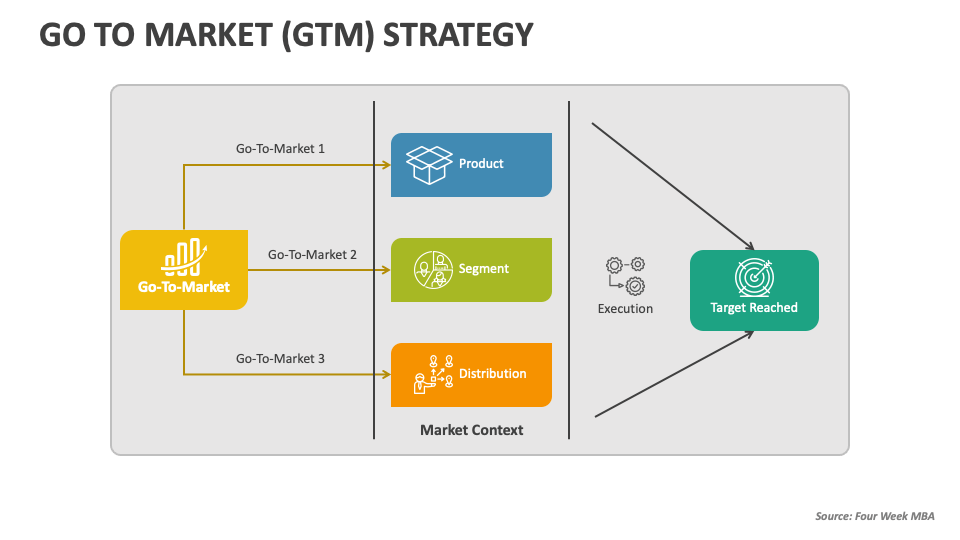
A successful GTM strategy can deliver impressive results. These include increased sales, higher market share, improved customer satisfaction, and more vital brand awareness. The role of a GTM consultant is critical in achieving these results. They provide the expertise, guidance, and support needed to develop and implement a winning GTM strategy.
Developing a GTM strategy for technology services involves several key steps, including conducting market research, identifying your target customers, defining your value proposition, selecting your sales and marketing channels, and setting your pricing strategy.
Gtm meaning
Market research and segmentation: Conduct granular market research with advanced tools and methodologies. Rely on analytics and AI-driven insights to identify trends and patterns. Segment the market by demographics, behaviors, psychographics, and purchase readiness.
Apple’s success hinged on a go-to-market strategy that thoroughly understood its target market, clearly articulated its computer’s value proposition, featured a detailed marketing plan, and highlighted where consumers could purchase products.
Furthermore, in the financial context, GTM also involves understanding the unique needs and preferences of different customer segments. Whether targeting millennials with mobile banking solutions or catering to high-net-worth individuals with personalized wealth management services, financial institutions must tailor their GTM strategies to effectively reach and engage their target audience.
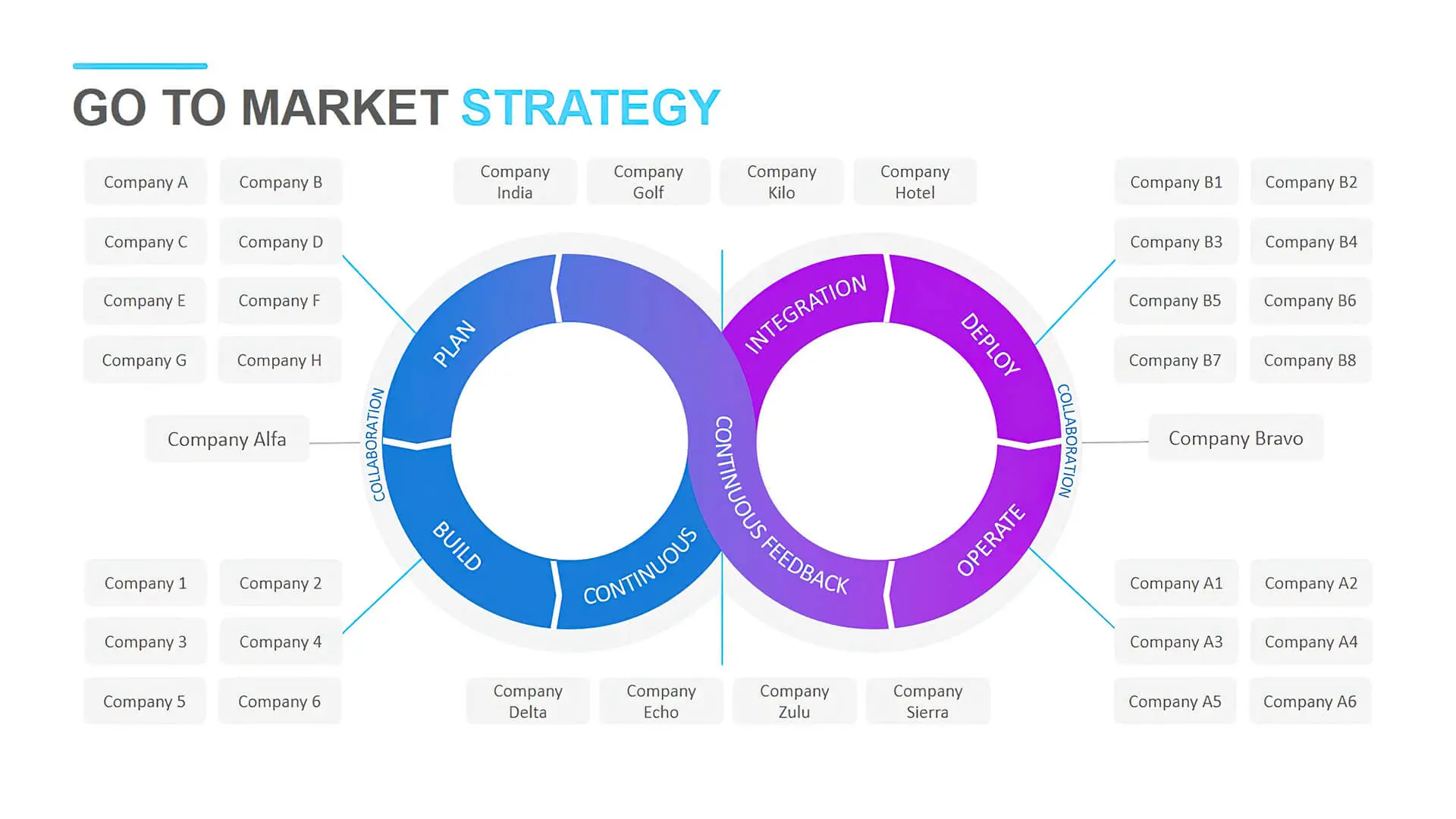
Market research and segmentation: Conduct granular market research with advanced tools and methodologies. Rely on analytics and AI-driven insights to identify trends and patterns. Segment the market by demographics, behaviors, psychographics, and purchase readiness.
Apple’s success hinged on a go-to-market strategy that thoroughly understood its target market, clearly articulated its computer’s value proposition, featured a detailed marketing plan, and highlighted where consumers could purchase products.
Furthermore, in the financial context, GTM also involves understanding the unique needs and preferences of different customer segments. Whether targeting millennials with mobile banking solutions or catering to high-net-worth individuals with personalized wealth management services, financial institutions must tailor their GTM strategies to effectively reach and engage their target audience.
